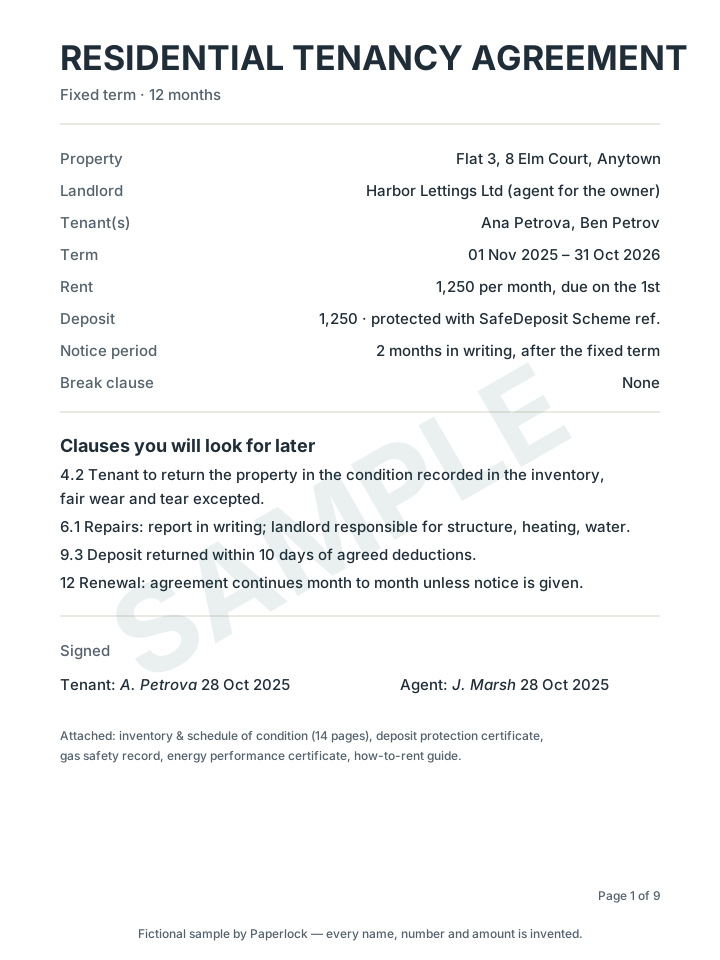
The sample is the first page of a fictional twelve-month tenancy agreement. Real ones run to a dozen pages or more, and almost all of that is boilerplate you will never read again. About five clauses and four dates do the work, and they are the ones to find, mark and save the day you sign.
The lines on page one
| Line | On the sample | Why you will look for it |
|---|---|---|
| Property and parties | Flat 3, 8 Elm Court; Harbor Lettings; two tenants | Proves who agreed what; address history |
| Term | 01 Nov 2025 to 31 Oct 2026 | The end date everything is measured from |
| Rent and due date | 1,250 on the 1st | Disputes about late payment start here |
| Deposit and protection reference | 1,250, scheme ref SD-7781-02 | The number you need to get it back or dispute deductions |
| Notice period | 2 months in writing | Sets the real deadline: end of term minus two months |
| Break clause | None | Whether you can leave early at all |
The clauses you will search for later
Real agreements bury these in numbered sections. Find them now and note the clause numbers on your copy:
- Condition and inventory. "Return the property in the condition recorded in the inventory, fair wear and tear excepted." This is the clause every deposit deduction is argued under, and the inventory plus your check-in photos are the only evidence. The deposit receipt example covers the other half of that argument.
- Repairs. Who fixes what, and how to report it. Most agreements make the landlord responsible for structure, heating, water and appliances they supplied, and require repairs to be reported in writing. Keep the emails.
- Deposit return. How many days after agreed deductions the money must come back, and through which scheme.
- Renewal or rollover. What happens at the end of the term if nobody acts: usually the tenancy continues month to month under the same terms.
- Notice. How notice must be given (in writing, to which address) and how far in advance.
The dates to take out of it
Three, and only one is printed: the end of the fixed term. The other two you work out. The notice deadline is the end of term minus the notice period; on the sample, 31 August 2026 for a tenancy ending 31 October. Miss it and the tenancy rolls over, which may be what you want, but it should be a choice. The deposit deadline is the number of days after check-out by which the money must be returned. Put the first in your calendar the day you sign; the document expiry tracker treats a lease as a contract with a 60-day lead time for exactly this reason.
What to save alongside it
- The signed copy, with everyone's signatures and dates. Drafts and unsigned PDFs prove nothing.
- The inventory and schedule of condition, and your own check-in photos with visible dates.
- The deposit protection certificate or the account details where the deposit is held.
- Safety certificates the landlord must provide: gas, electrical, energy performance, depending on the country.
- Every written repair request and the landlord's replies.
The renting an apartment scenario lists the wider paperwork of a tenancy from application to move-out, and moving house picks up where this page ends.
The questions this agreement will answer
- When does the lease end, and by when must I give notice?
- How much is the deposit, and where is it protected?
- Who is responsible for the boiler?
- What did the flat look like when we moved in?
The manual way: photograph or save the signed agreement, the inventory and the check-in photos in one folder named by address and year, and put the notice deadline in your calendar. The Paperlock way: photograph the agreement's pages and the inventory into the vault; Paperlock reads the term and the amounts, files everything for that address together, and lets you ask "what is the notice period on the flat?" from the sofa, with the clause on screen.