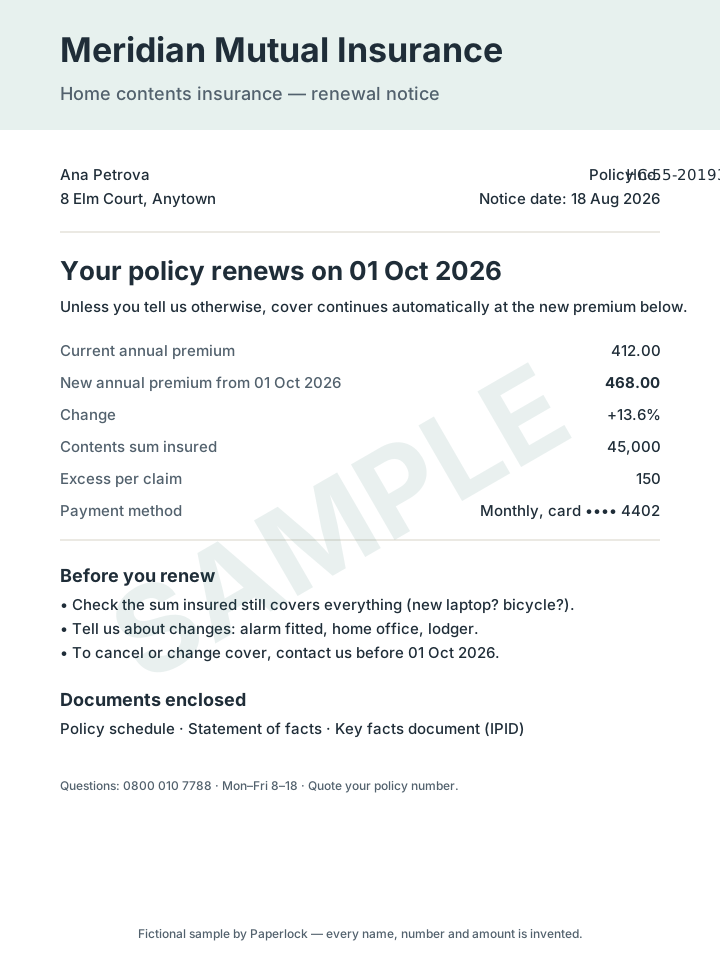
The sample is a renewal notice for a fictional home contents policy. Renewal notices are the most read-once document in the house: they arrive when nothing is wrong, ask for no action, and quietly set your price for the next year. The whole value of the document is in about four numbers, and in the fact that it arrives while you still have time to do something.
The four numbers
| Number | On the sample | What to do with it |
|---|---|---|
| Renewal date | 01 Oct 2026 | Everything must happen before this day |
| New premium vs old | 468 vs 412, +13.6% | Get one competing quote; that decides whether the rise is fair |
| Sum insured | 45,000 | Walk through the home and check it still covers what you own |
| Excess | 150 per claim | Decide whether a higher excess for a lower premium suits you |
The rest of the notice is reference: the policy number (the key to every conversation with the insurer), the payment method (which tells you whether it will renew on its own), and the list of enclosed documents.
The auto-renewal trap
Most policies renew automatically if you do nothing. That is a feature when you forget, and a cost when you never compare. Insurers in the UK now have to show last year's premium next to the new one on the notice, precisely because the gap between new-customer pricing and renewal pricing was so large; the sample shows the two side by side. Wherever you live, the notice is the one moment a year the comparison is cheap. Two weeks before the renewal date, get one other quote. Either you switch, or you call and ask the insurer to match it, or you learn the price is fair. All three are better than paying without knowing.
The check nobody does: the sum insured
The premium gets attention because it is money leaving now. The sum insured is money that may not arrive later. Contents sums are often set when the policy starts and never touched. If you have since bought a laptop, a bike, a camera or set up a home office, you may be over it, and many policies reduce every claim in proportion to how under-insured you are. The renewal notice is the prompt to spend ten minutes walking round with your phone. Photos of valuables, saved somewhere safe, are also the evidence a claim needs; the household document inventory has a line for them.
What to save alongside it
- The policy schedule and key facts document that come with the renewal. They are the actual terms; the notice is the summary.
- Last year's schedule. Side by side, they show what changed besides the price.
- The competing quote, even if you did not take it. Next year's comparison starts from it.
- Photos and receipts for valuables, and any correspondence about changes (an alarm fitted, a lodger, a new job at home).
The questions this document will answer
- When does the insurance renew, and what will it cost?
- What is the policy number?
- How much are we insured for, and what is the excess?
- Did we ever tell them about the home office?
The manual way: photograph the notice and the schedule, name them by year and insurer, and set two calendar reminders: two weeks before renewal to compare, and the renewal date itself. The document expiry tracker gives insurance a 45-day lead time by default for exactly this reason. The Paperlock way: photograph the notice into the vault; it reads the renewal date and the premium, files it with previous years, and reminds you 30 and 7 days before. "How much did we pay for contents insurance last year?" becomes a question with an answer and a document attached. The guide on storing insurance documents on your phone covers the wider set: policies, cards, claims.