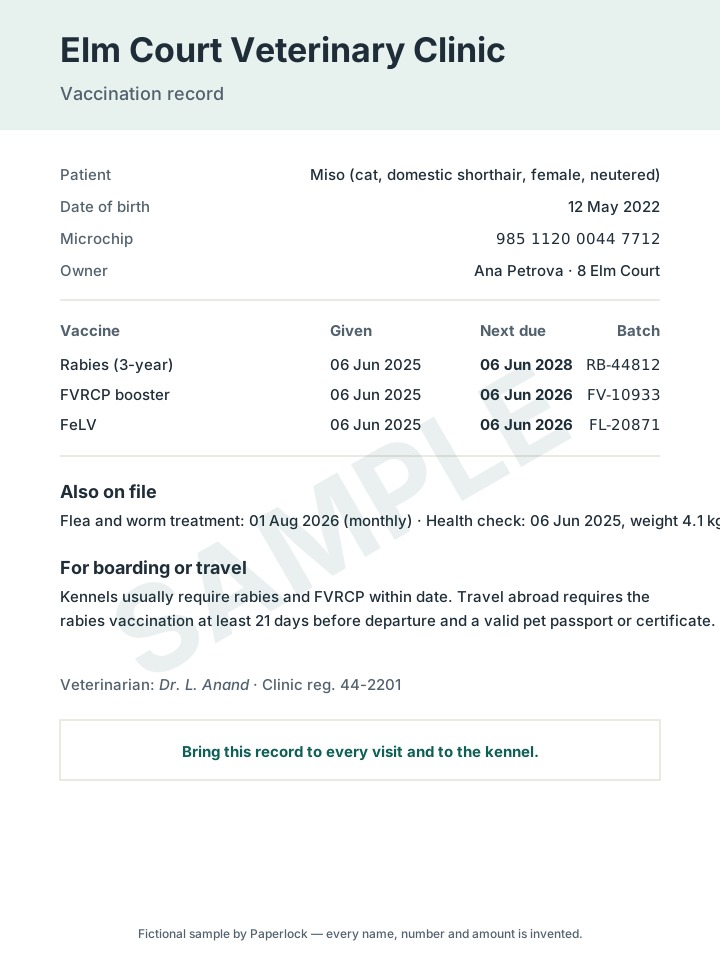
The sample is the vaccination record of a fictional cat called Miso. It is the document a kennel asks for at drop-off, a new vet asks for at the first visit, and a border official asks for at a counter with a queue behind you. Every one of those requests comes with a deadline, so the record earns its place in the small set of papers you should be able to find in under a minute.
The lines on the record
| Line | On the sample | Who asks for it |
|---|---|---|
| Patient details | Miso, cat, female, neutered, born 12 May 2022 | Every vet, kennel and border |
| Microchip number | 985 1120 0044 7712 | Borders, registries, shelters if lost |
| Vaccine name | Rabies (3-year), FVRCP, FeLV | Kennels check the core ones |
| Date given | 06 Jun 2025 | Borders count days from it |
| Next due | 06 Jun 2028, 06 Jun 2026 | Your reminders; the kennel's cut-off |
| Batch number | RB-44812 and others | Borders match it to the certificate; recalls |
| Vet and clinic registration | Dr. L. Anand, reg. 44-2201 | Borders and insurers verify the signature |
The microchip number is the spine of the whole record. It links the animal to the paperwork and to the registry that holds your contact details. Check it against a scan once, and check that the registry has your current phone number every time you move.
Three uses, three sets of rules
Boarding. Kennels and catteries require core vaccines within date, often with a minimum interval since the last dose, and many add kennel cough for dogs. Ask for the list when you book, not at drop-off. A photo of the record on your phone is accepted almost everywhere.
A new vet. The record lets a new clinic continue the schedule rather than restart it. Keep the old clinic's details on the record in case they need to be called.
Travel. This is where the record meets the law. Most destinations require a microchip, a rabies vaccination given after the chip and at least 21 days before travel, and an official document: a pet passport or an animal health certificate from an authorised vet. Some add blood tests and tapeworm treatment within a window of hours before arrival. The rules change and differ by country; the official source for your destination is the only one to trust, and it should be read months ahead, because a missed 21-day window cannot be fixed at the airport. The pet records scenario covers the wider set of documents a pet accumulates.
The dates to take out of it
Each "next due" is a deadline, and they rarely line up. On the sample the rabies booster is three years out while two annual boosters fall next June. Put each in the calendar with a reminder a month before, so the appointment is booked before the kennel booking depends on it. The document expiry tracker holds them as health items with a 60-day lead time; the expiration dates checklist shows where pets fit among the household's other dates.
What to save alongside it
- The rabies certificate, if issued separately, and the pet passport or health certificate for travel.
- Microchip registration confirmation and the registry login.
- Insurance policy and claims, since insurers ask for vaccination history.
- Any prescription or treatment plan, and the weight history the vet records.
The questions this record will answer
- Is Miso's rabies vaccination current, and when is the next one due?
- What is the microchip number?
- When was the last FVRCP booster?
- Which batch was the rabies shot?
The manual way: photograph the record after every visit, because the paper version is updated by hand, and file it with the passport and insurance under the pet's name; put every "next due" in the calendar. The Paperlock way: photograph it into the vault; Paperlock reads the dates, keeps the pet's documents together, and reminds you before each booster. When the kennel calls the night before, "is Miso's rabies shot current?" has an answer with the record attached, wherever you are.